Summary
The Borghorster Elblandschaft area covers 225 hectares and is located in south-east Hamburg, extending into Schleswig-Holstein where it is also designated a nature reserve. It comprises three sub-areas: the Borghorster Elbwiesen, the Borghorster Brack and the Altengammer Elbwiesen. These sub-areas reflect the diversity of habitats along the tidal Lower Elbe.
The varied geological profile of the terrain, combined with the maritime-continental transitional climate, means species that mainly inhabit more southerly or easterly regions occur here, reaching the limits of their natural distribution in this area. These circumstances result in a unique diversity of flora and fauna in northern Germany.
Description
A total of 360 species of vascular plant have been recorded in the nature reserve alone, accounting for around 21% of Hamburg's current flora. Of these species, 89 are listed on Hamburg’s Red List, including 19 that are also classified as threatened at a national level. These include critically endangered species such as Selinum dubium, Carex colchica and adder's tongue. The nature reserve has preserved the vegetation zones that were once typical of the Elbe and are now only found here in Hamburg. These zones range from the banks of the Elbe and brackish marshes to wet meadows, dry habitats and the inland dunes of the Geest foothills.
Even slight variations in the foreland's relief, influenced by the Elbe's water level, have a significant impact on local vegetation due to the effects of tides, storm surges and floods. Meadows of Selinum dubium and false oat-grass with stands of burnet can be found in the depressions, while xerophilous plants such as field eryngo thrive on the former Elbe sands. These plants attest to the site’s emerging continental character. The Altengammer Elbe meadows, which are influenced by the tides, also have tidal creeks with freshwater mudflats, tidal reed beds and remnants of riparian forests.
To the north, this is followed by a closely interlinked vegetation sequence of warm, dry habitats. Small areas of open inland dunes can be found here, flanked by heathland and dry grassland. These give way to sparse pine, birch and oak forests on the extensive dunes of the Besenhorster Sandberge. Finally, the Borghorster Brack is a distinctive feature of the Lower Elbe region. This channel was formed by the collapse of a historic dyke. This waterway is overgrown with pond and water lilies, and along its banks there are extensive reed beds of common reed and sedge, as well as willow stands.
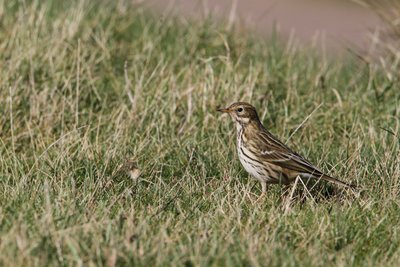
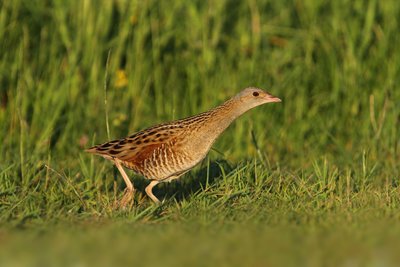
The Altengamme and Borghorst Elbe meadows also provide a habitat for numerous animal species that are endangered in Hamburg and across Germany, some of which are even threatened with extinction. A diverse insect fauna, including many rare and highly endangered species of grasshopper and butterfly, such as the large marsh grasshopper and skipper, has found refuge here. The area also provides valuable breeding grounds for numerous endangered bird species, such as lapwings, red-backed shrikes, grey partridges, meadow pipits and redshanks. White storks, kingfishers and corncrakes also come here to find food. In autumn and winter, migratory waders and winter visitors flock to the meadows.