Summary
The Raakmoor nature reserve, which covers 33 hectares, is one of the smaller nature reserves in Hamburg. It is located in the Hummelsbüttel area in the north-west of the city. The current transitional bog was originally a raised bog, destroyed by peat extraction and drainage to make way for agriculture. Remnants of hedgerows and buried ditches still bear witness to this today. The monotypic flora has disappeared, leaving only a few remnants.
Description
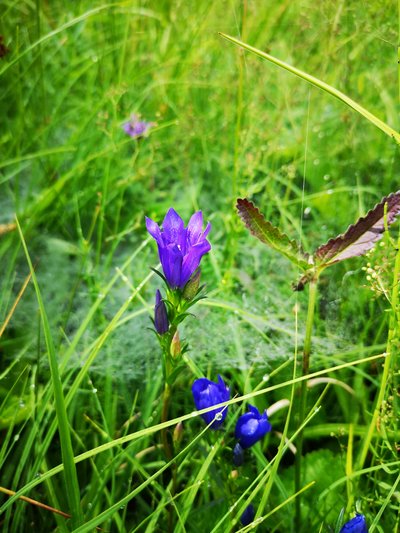
The nature reserve no longer resembles the classic raised bog landscape. Much of the area is now covered by coniferous and deciduous forests. However, it is the swamp forest and waterlogged areas from which one can sense nature returning to its original state. Nevertheless, after an eventful past, Raakmoor is once again home to typical bog plants such as sphagnum moss, bog asphodel, heather and insectivorous sundew. Open water areas are home to bog arum, bladderworts and pondweed. The edges of the peatland are home to the bog-myrtle, which, while not rare, is renowned for its aromatic scent. The Vikings appreciated it as a flavouring for mead. The bluish-flowering marsh gentian is a delight to behold and provides a special habitat for wildlife.
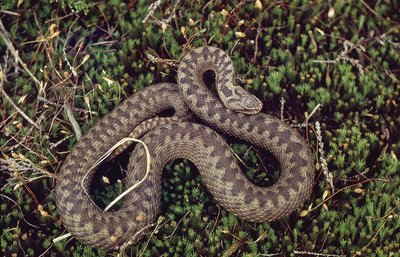
The areas of the bog that are relatively poor in terms of both species and individuals are home to various specially adapted species. Of particular note are several endangered species found in Hamburg, including the moor frog, the common European adder, and various dragonfly species such as the colourful northern moss dragonfly and the elegant black hawker.
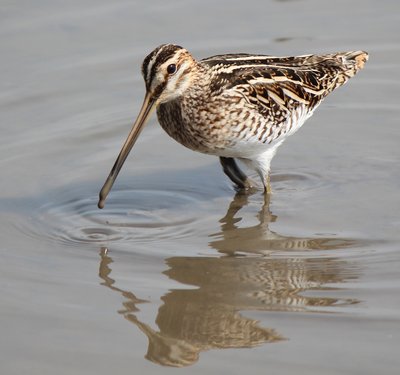
The ponds are home to breeding birds such as greylag and Canada geese, while visitors include trumpeting cranes, perfectly camouflaged woodcocks and striking kingfishers. The exotic mandarin duck can also be spotted regularly in the rainwater retention basin. In the water, a trained eye can spot carp, rudd, tench, perch and pike, to name a few.
In spring, the songs of willow warblers, wood warblers and wrens can be heard in the wooded areas, where Eurasian goshawks and northern ravens also breed. The Raakmoor is home to many mammals, including common species such as roe deer and foxes, as well as more elusive species such as pine martens, polecats and common shrews. The secretive harvest mouse likes to build its nest amongst the moor grass. The raccoon dog, which originates from East Asia but has become established here in recent years, has also been recorded.
Furthermore, the Raakmoor is home to several endangered butterfly species. The last known population of the Lungwort Blue in Hamburg became extinct in 2012. However, the beautiful but easily overlooked Green Hairstreak, Large Chequered Skipper and Speckled Wood have been regularly observed in recent years, and all three species are listed on Hamburg’s Red List of Threatened Species.