Summary
Where the roaring glacial waters once carved the Alster river valley into the earth, a beautiful and varied landscape of hills, valleys, streams, ponds, woods, meadows and pastures now exists. Anyone walking through the Alster and Rodenbek valleys will discover streams of runoff and seepage water flowing down the slopes from the water-bearing layers of soil.
Description
These springs are among the few natural water outflows in the Hamburg region, and it is these springs that gave the current nature reserve its name. Many of the springs are rich in iron, which gives them a distinctive colour and lines the edges of the spring basins with tiny orange-yellow iron flakes. This play of colours contrasts with the vibrant flowers, perennials and herbs that adorn the landscape, which is home to a diverse flora. One of Hamburg's most beautiful walking routes, the Alsterwanderweg, passes through the heart of this area.
The landscape is primarily shaped by water and woodland. Three watercourses (the Alster, Rodenbek and Bredenbek) form the nature reserve's natural boundaries and provide a habitat for diverse flora and fauna. The ever-changing variety of trees of all ages in the forest presents a charming sight.
Mixed deciduous forests consisting mainly of beech, English oak and sessile oak, as well as silver birch and moor birch dominate the landscape. The Alsterwanderweg also passes through some impressive beech forests, with trees that are up to 300 years old.
The riverbank landscape along the upper reaches of the Alster is virtually untouched by human activity. It features lush ground vegetation, alder swamps and marshes, damp meadow valleys and reed beds. In the low-lying areas alongside the waterways, there are floodplain forests of ash and alder. The effects of the constant alternation between prolonged periods of high water levels and the stream's rapid flow are particularly evident on the eroded banks of the Bredenbek. The roots of the alders growing there have been washed out, leaving the upper parts exposed. The sight of these peculiar stilt roots, sometimes submerged and sometimes exposed, is reminiscent of tropical mangrove forests. Notable botanical features include the yellow wood anemone, the common cowslip, the oxlip and the water violet. In spring, the bright yellow of the marsh marigolds provides a beautiful contrast to the green of the alder trees near the river.
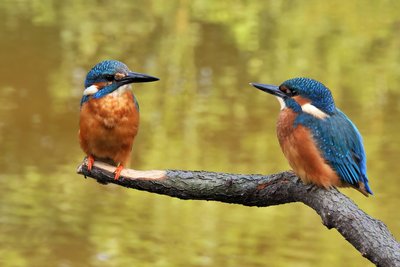
The Rodenbek Spring Valley is also home to a rich variety of wildlife. The most common breeding birds are robins and northern wrens. Woodpeckers, which specialise in dead trees, find food and nesting holes in forests with plenty of deadwood. The numerous streams and rivers provide excellent habitats for birds such as reed warblers, little grebes and coots, as well as kingfishers, which are classified as endangered at a national level. With a bit of luck, you can also spot the dipper hunt underwater here, skilfully turning over stone after stone to catch small creatures. Above the surface of the standing waters lies the perfect hunting ground for the Daubenton’s bat, which is rare in Hamburg. Such coppice forests and floodplain forests, such as those in the Rodenbek Spring Valley, are also home to the rare moor frogs and smooth newts. The flowing waters are of a very high quality in some sections due to the inflow of spring water, meaning even the most demanding fish species listed on Hamburg’s Red List (e.g. burbot and sunbleak) can thrive there.